
Colorectal Cancer Surgery
High-Volume
Specialist Care for Colon, Rectal & Complex Pelvic
Malignancies
Dr Aun Jamal is a consultant colorectal and surgical oncologist with extensive experience in the management of colorectal cancers and complex pelvic malignancies. His practice is characterized by a high surgical volume, particularly in advanced, recurrent, and technically demanding colorectal cancer cases.
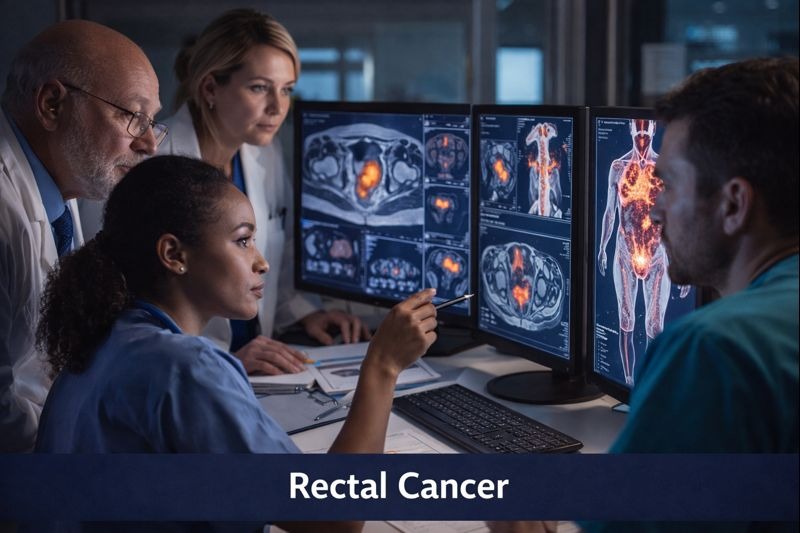
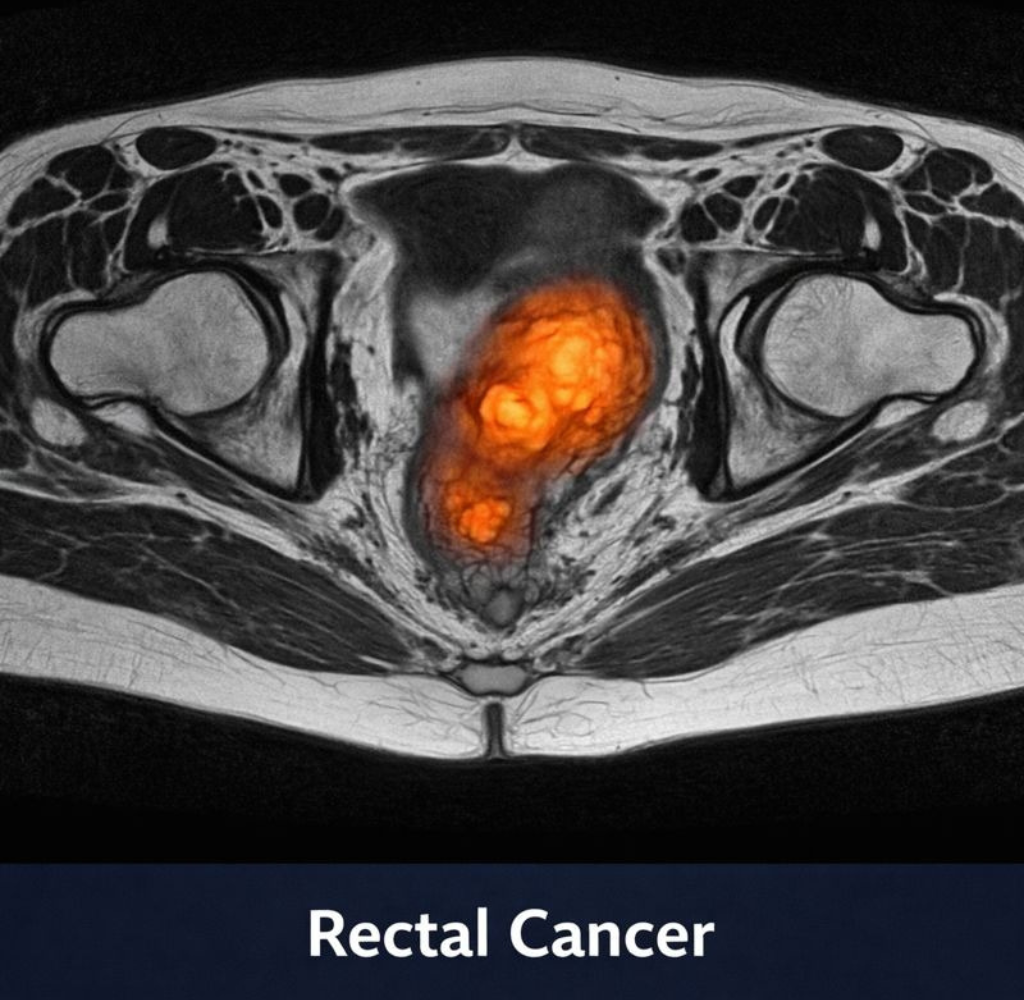
Expertise in Colorectal & Complex Pelvic Cancer Surgery
Managing a large number of colorectal and pelvic cancer surgeries annually has allowed Dr Jamal to develop deep expertise in oncologically sound, function-preserving surgery, even in the most challenging scenarios.
This high-volume experience translates into:
- Improved oncological precision
- Better decision-making in advanced disease
- Safe handling of complex pelvic anatomy
- Optimized functional and quality-of-life outcomes
Comprehensive Colorectal Cancer Care
Colorectal cancer is among the most common cancers worldwide and requires specialized, guideline-driven care. Dr Aun Jamal provides end-to-end colorectal cancer management, from diagnosis and staging to surgery and long-term follow-up.
Conditions Treated:
- Colon cancer
- Rectal cancer
- Locally advanced colorectal cancer
- Recurrent colorectal cancer
- Pelvic malignancies involving bowel
- Synchronous and metastatic disease (selected cases)
Every case is evaluated through a multidisciplinary team (MDT) approach, ensuring treatment plans align with international oncology standards.
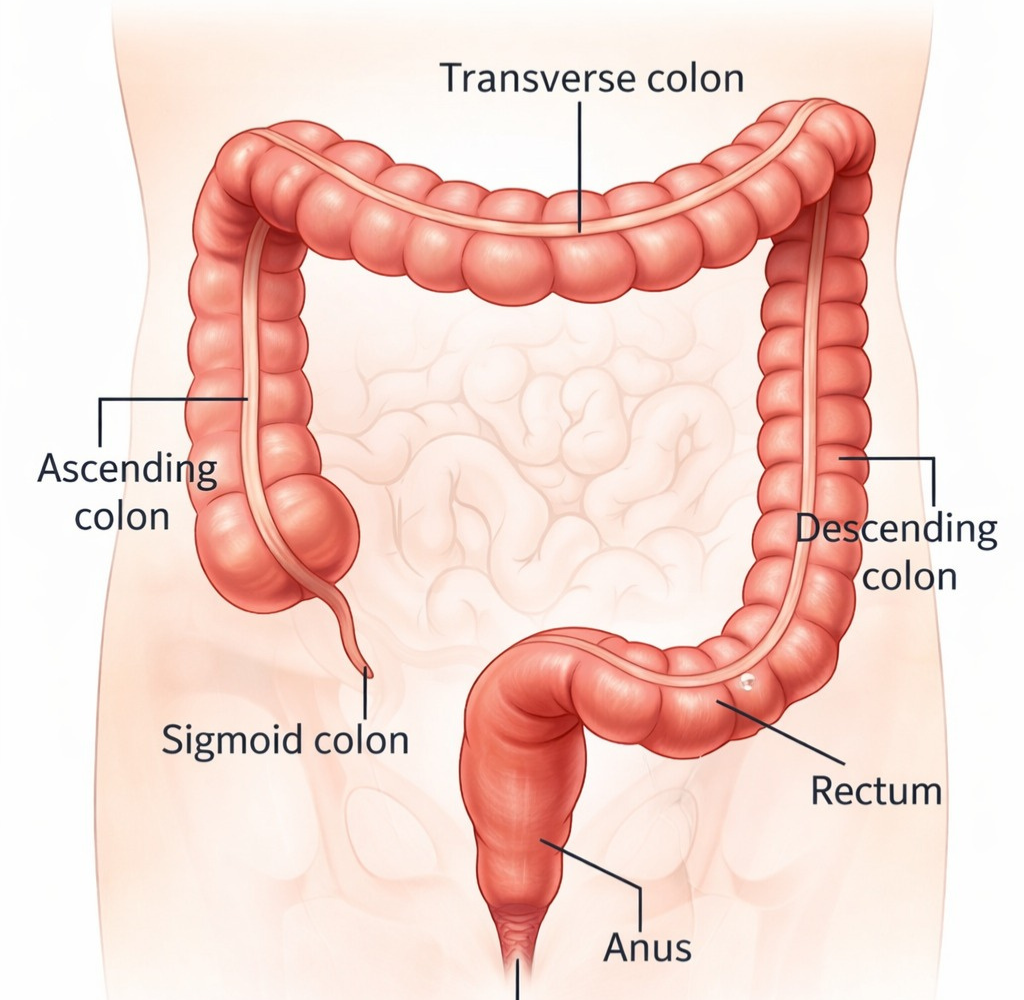
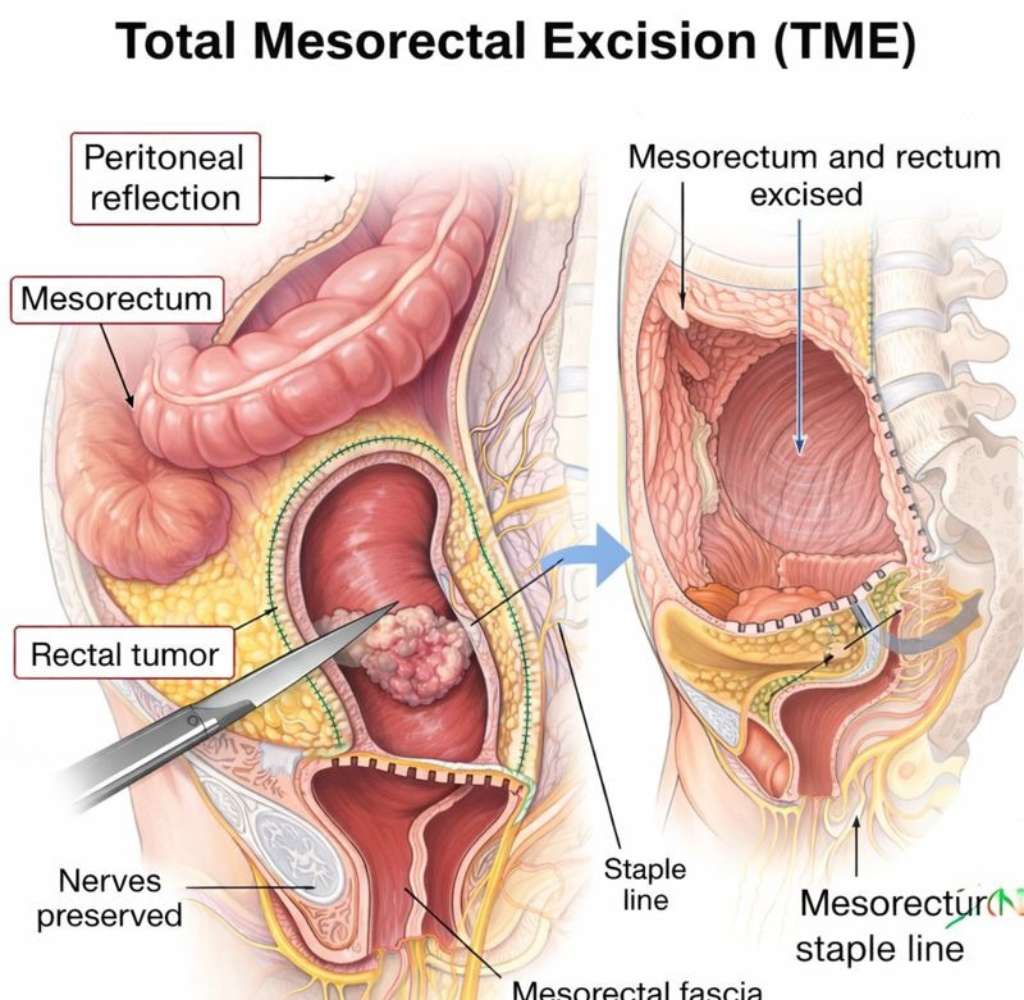
High-Volume Surgical Experience in Complex Disease
A defining aspect of Dr Aun Jamal’s practice is the high volume of colorectal and complex pelvic cancer surgeries performed. High-volume surgical practice is recognized as a key factor in achieving superior oncological outcomes.
Dr Jamal routinely performs:
- Low anterior resection (LAR)
- Abdominoperineal resection (APR)
- Extended colectomies
- Multivisceral resections
- Re-operative and redo pelvic surgery
- Surgery after chemoradiotherapy
- Cytoreductive surgery in selected cases
Minimally Invasive & Organ-Preserving Techniques
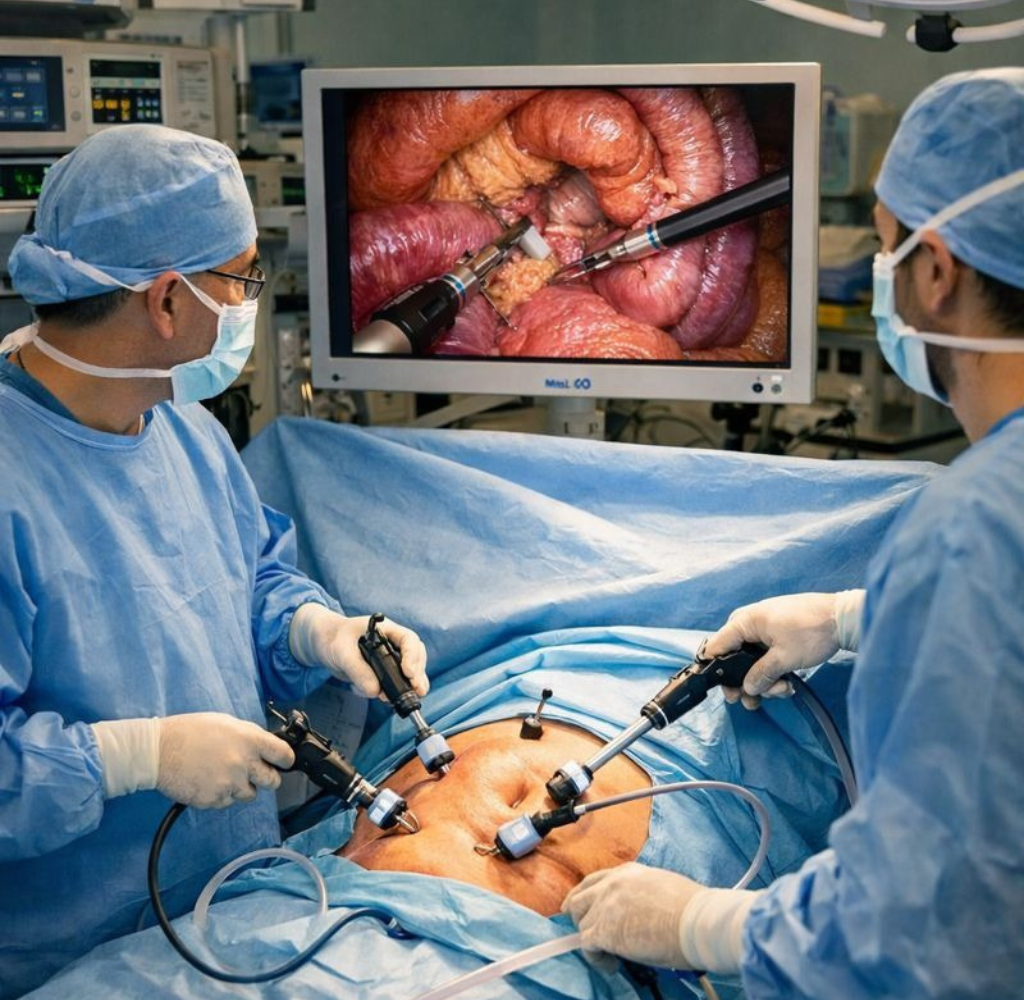
Where clinically appropriate, minimally invasive colorectal cancer surgery is prioritized to reduce surgical trauma and enhance recovery.
Benefits include:
- Smaller incisions
- Reduced postoperative pain
- Faster recovery
- Earlier return to normal activity
Equally important is organ and function preservation, particularly in rectal cancer, where bowel, urinary, and sexual function are critical.
Advanced Pelvic & Recurrent Cancer Surgery
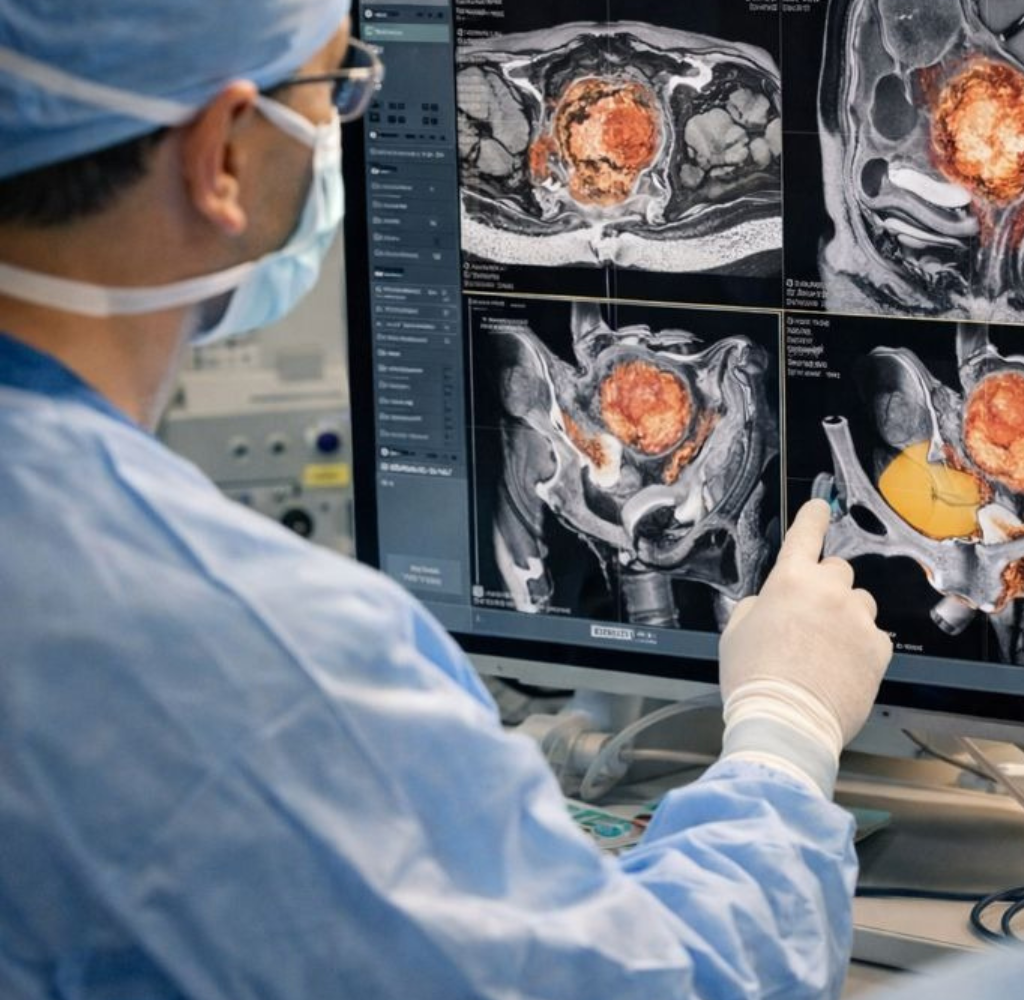
Dr Aun Jamal has a particular focus on advanced pelvic malignancies, including cancers involving or recurring in the pelvis after previous treatment. These complex cases demand high surgical volume experience, precise anatomical knowledge, and multidisciplinary coordination.
Surgery in such settings is performed with the aim of maximal disease clearance while preserving function whenever possible.
When to Consult a Colorectal Cancer Specialist
Early evaluation by a high-volume colorectal cancer surgeon is crucial if you experience:
- Rectal bleeding
- Change in bowel habits
- Unexplained weight loss
- Anemia
- Diagnosis or suspicion of colorectal cancer
Timely specialist care significantly improves outcomes.